A contoured pillow.
The right fit for you?
Shopping for an ergonomic or cervical pillow? Compare shape, height and sleep-position fit, then explore Derila Ergo.
Affiliate link: if you buy through our link, Pillow Choice Lab may earn a commission at no additional cost to you.
Independent shopping research. No hands-on test or medical claims.
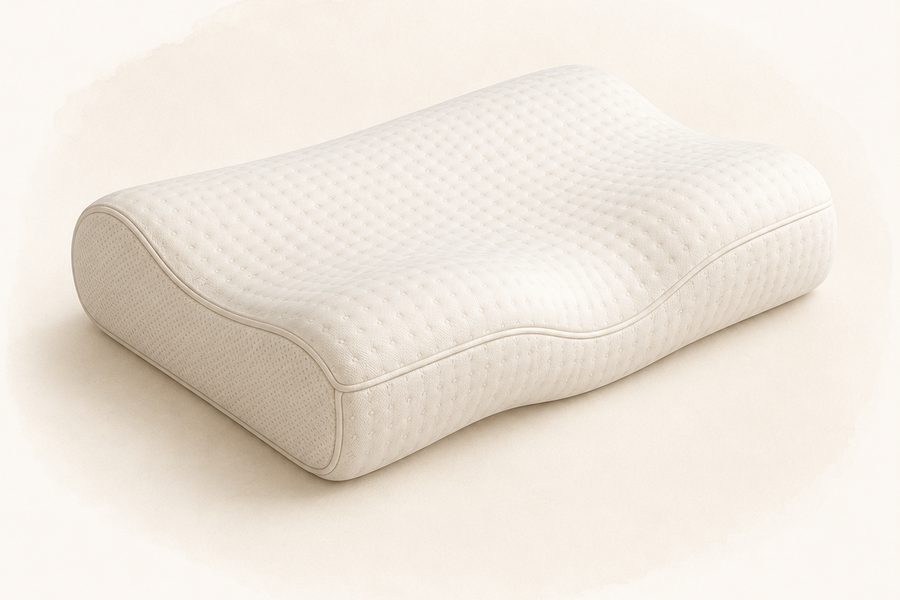
Derila Ergo
A shaped memory-foam pillow with a butterfly contour. Compare its published details with the pillow you already use.
Seller-described specifications, checked 3 October 2026.
Worth a closer look if…
You want a defined contour and prefer comparing a molded pillow with your current setup. Specifications alone cannot tell you how comfortable it will feel.
Check carefully if…
You prefer a flat pillow, adjustable fill or a very low profile. Confirm height, firmness, care instructions and the full checkout total before ordering.
Read the return conditions
The seller lists 60 days from receipt, with return authorization and condition requirements. Shipping costs are not refundable. Check the current policy for your destination.
Start with how you sleep
Loft is the pillow’s effective height under load. A pillow can feel soft but still hold the head high, or feel firm while compressing to a lower height. Consider loft and firmness separately.
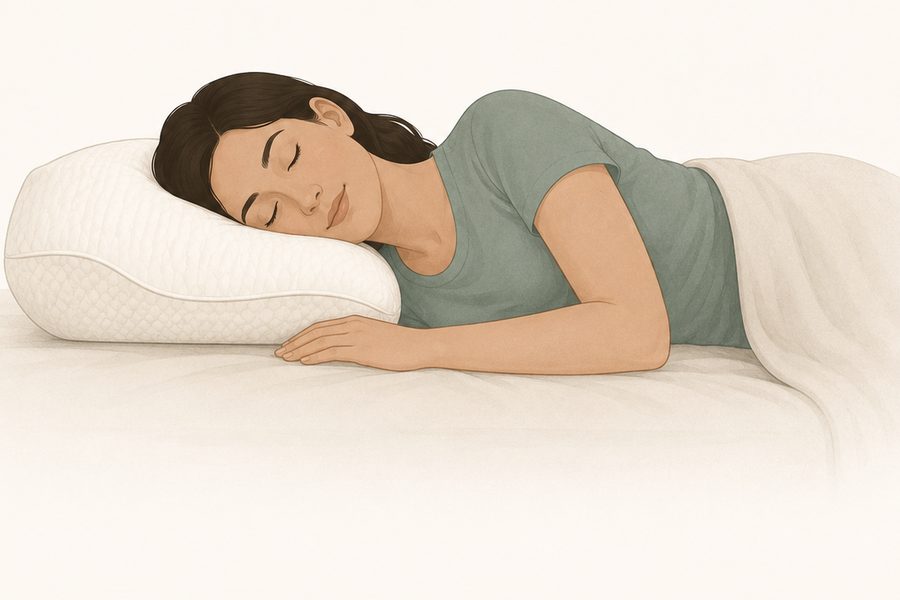
Side sleepers
Look for enough usable height to fill the space between the head and mattress without feeling forced upward.
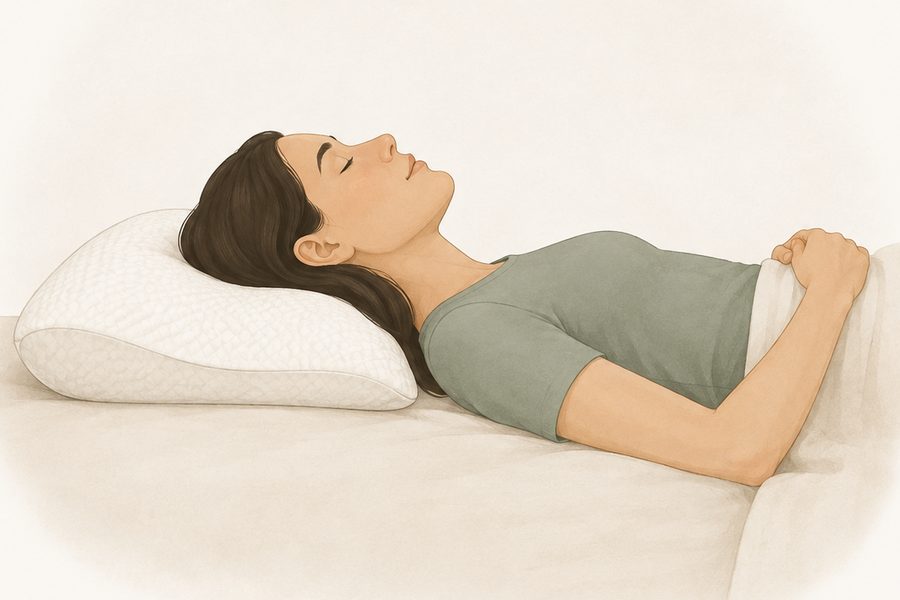
Back sleepers
Moderate support can leave room for the neck-support zone to feel natural. Excessive loft may push the head noticeably forward.
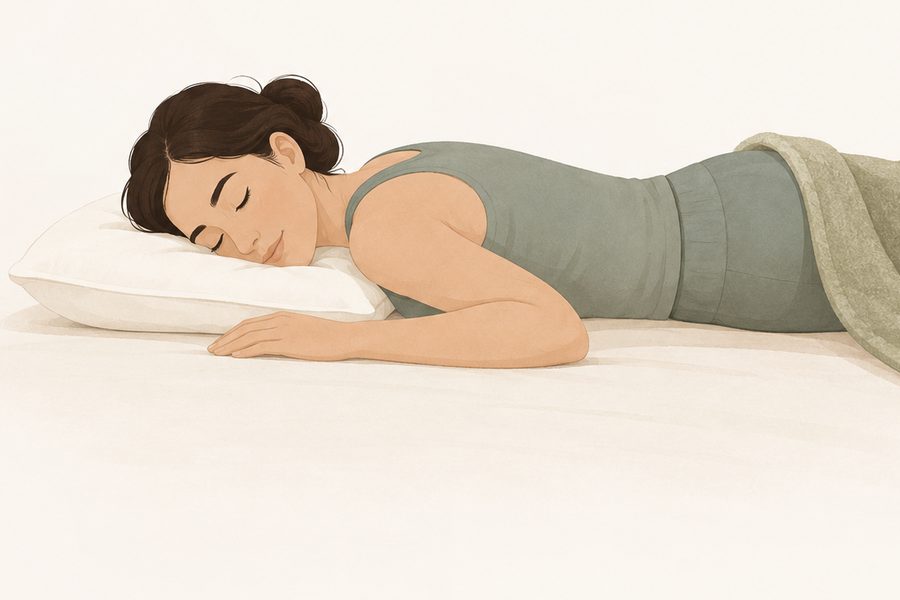
Lower or more flexible formats
Stomach sleepers often prefer lower, less structured designs. Combination sleepers may value a shape that stays usable when changing position.
Mattress firmness changes the effective pillow height you need. A shoulder may sink farther into a softer mattress, changing the head-to-mattress gap for the same sleeper.
A little more detail, when you need it.
What does “ergonomic” actually mean?
Traditional pillows are usually fairly uniform rectangles. Ergonomic or contoured pillows may use raised edges, a lower center, shoulder cut-outs or separate support zones. Those shapes change how the head and neck rest on the pillow; they should not be treated as a medical treatment.
A structured design can feel supportive to one sleeper and overly restrictive to another. The useful comparison is not simply “ergonomic versus normal.” It is whether a specific shape, usable height and material match your usual sleep position and comfort preference.
Contour
Look at the side profile and how strongly the pillow is shaped.
Usable loft
Judge effective height under your head—not only the listed dimensions.
Material feel
Consider how much the pillow compresses, warms and allows repositioning.
Compare contours and support zones
A contoured pillow commonly has two different edge heights with a recessed center. That can give sleepers more than one position to try, but it may feel less flexible than a conventional loose-fill pillow.
Creates a more defined support zone and usually feels more structured.
Allows the head to sit lower than the outer edge.
May let some side or back sleepers position the pillow closer to the shoulders.
Can be easier for people who change position frequently.
Memory foam: the trade-offs
Many ergonomic pillows use solid memory foam because it can hold a molded contour more consistently than loose fill. That consistency is useful when you specifically want a defined shape, but it comes with trade-offs.
Possible advantages
- Keeps a molded shape
- Less frequent fluffing
- Predictable support zones
- Often works with a removable outer cover
Possible drawbacks
- Less adjustable than loose fill
- May feel warm to some sleepers
- New foam can have a temporary odor
- A fixed contour can take time to get used to
Dimensions, covers and care
Product photos can make two pillows look similar even when their dimensions differ substantially. Check width, depth and both contour heights. If a pillow has a shoulder notch or center cradle, look for measurements of those features too.
Two-edge contour pillows may give you more than one usable position.
A removable washable outer cover is convenient; the foam core itself is often not machine washable.
Strong contours or unusual dimensions may need a fitted cover.
Confirm how the core should be cleaned, aired and dried.
Who may prefer another format?
May prefer a defined contour
- Back or side sleepers who like a structured support shape.
- People who dislike repeatedly fluffing or reshaping loose fill.
- Shoppers who want two contour heights to experiment with.
- People comfortable with a less moldable pillow format.
May prefer another format
- Stomach sleepers who prefer very low loft.
- Sleepers who like to bunch, fold or reshape their pillow.
- People who strongly dislike the feel or temporary odor of memory foam.
- Anyone who wants to test the exact pillow in a store before buying.
Your checklist before ordering
| Check | Question to answer |
|---|---|
| Contour | Is the shape lightly contoured or strongly structured? |
| Loft | What are the low and high edge measurements? |
| Material | Solid memory foam, shredded foam, latex or another fill? |
| Cover & care | Is the outer cover removable and washable? How should the core be cleaned? |
| Return window | How many days do you have, and when does the clock start? |
| Return condition | Can a used pillow be returned, or must it be unused? |
| Return shipping | Who pays, and is original shipping refundable? |
| Current total | What is the final checkout price including shipping and quantity selection? |
Price and return terms
A lower advertised price does not automatically mean a lower final order total. Direct-to-consumer pillow offers can use quantity bundles, location-based pricing, shipping charges or time-limited promotions. Verify the current checkout rather than relying on an old screenshot or review.
Return policies deserve the same attention. A stated return window by itself does not tell you whether used products qualify, whether authorization is required, who pays return shipping, or whether original delivery fees are refundable.
Frequently asked questions
Is a cervical pillow the same as an ergonomic pillow?
The terms overlap in shopping results but are not standardized consumer product categories. Both labels are often used for contoured pillows with a defined head and neck-support shape. Compare the actual dimensions and design rather than relying on the label alone.
Is higher loft better for side sleeping?
Not automatically. Side sleepers often need more effective height than stomach sleepers, but the right amount depends on shoulder width, mattress sink and how much the pillow compresses.
How long does it take to adjust to a contoured pillow?
There is no universal adjustment period. Some people prefer the shape immediately, while others decide a structured contour is not for them. A clear return policy matters because comfort is difficult to judge from specifications alone.
Ready to check the details?
See the current seller offer, delivery and purchase terms.
Affiliate link: if you buy through our link, Pillow Choice Lab may earn a commission at no additional cost to you.
This is shopping research, not a hands-on product test or a ranking of the best pillows. Derila specifications and purchase terms are drawn from seller-owned sources checked on 3 October 2026. Fit considerations are editorial guidance; no pain-relief, snoring or cooling benefit has been independently established.
Prices, shipping and seller terms can change. This guide is not medical advice.